Semaglutide
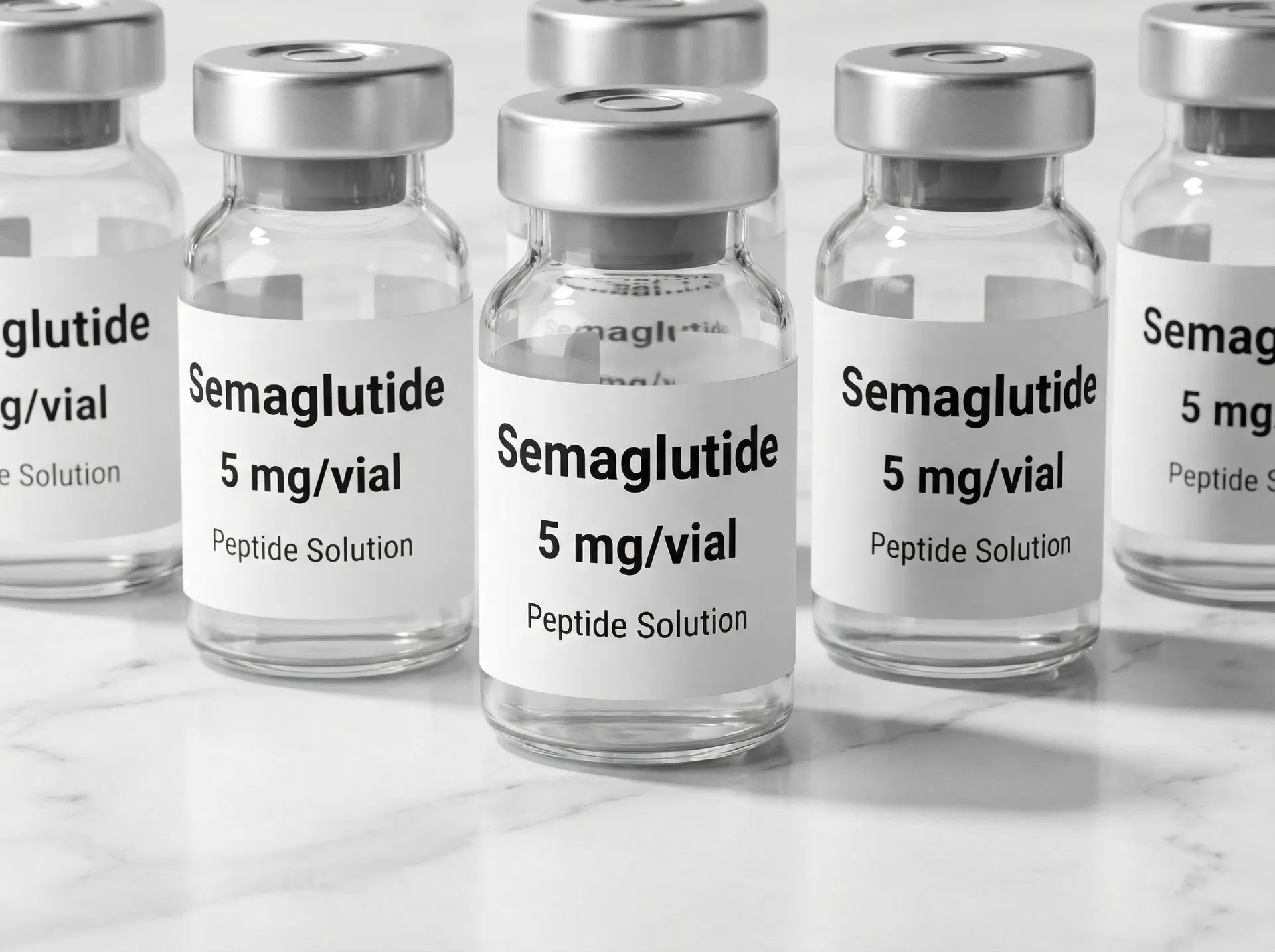
GLP-1 receptor agonist used to study incretin signaling, glucose-dependent insulin release, gastric emptying, and appetite-regulation pathways.
Complete research catalog
Search the full peptidevita product list, filter by format, and open the matching COA or documentation request for each material.
GLP-1 receptor agonist used to study incretin signaling, glucose-dependent insulin release, gastric emptying, and appetite-regulation pathways.
Dual GIP and GLP-1 receptor agonist used to study integrated incretin signaling and metabolic regulation.
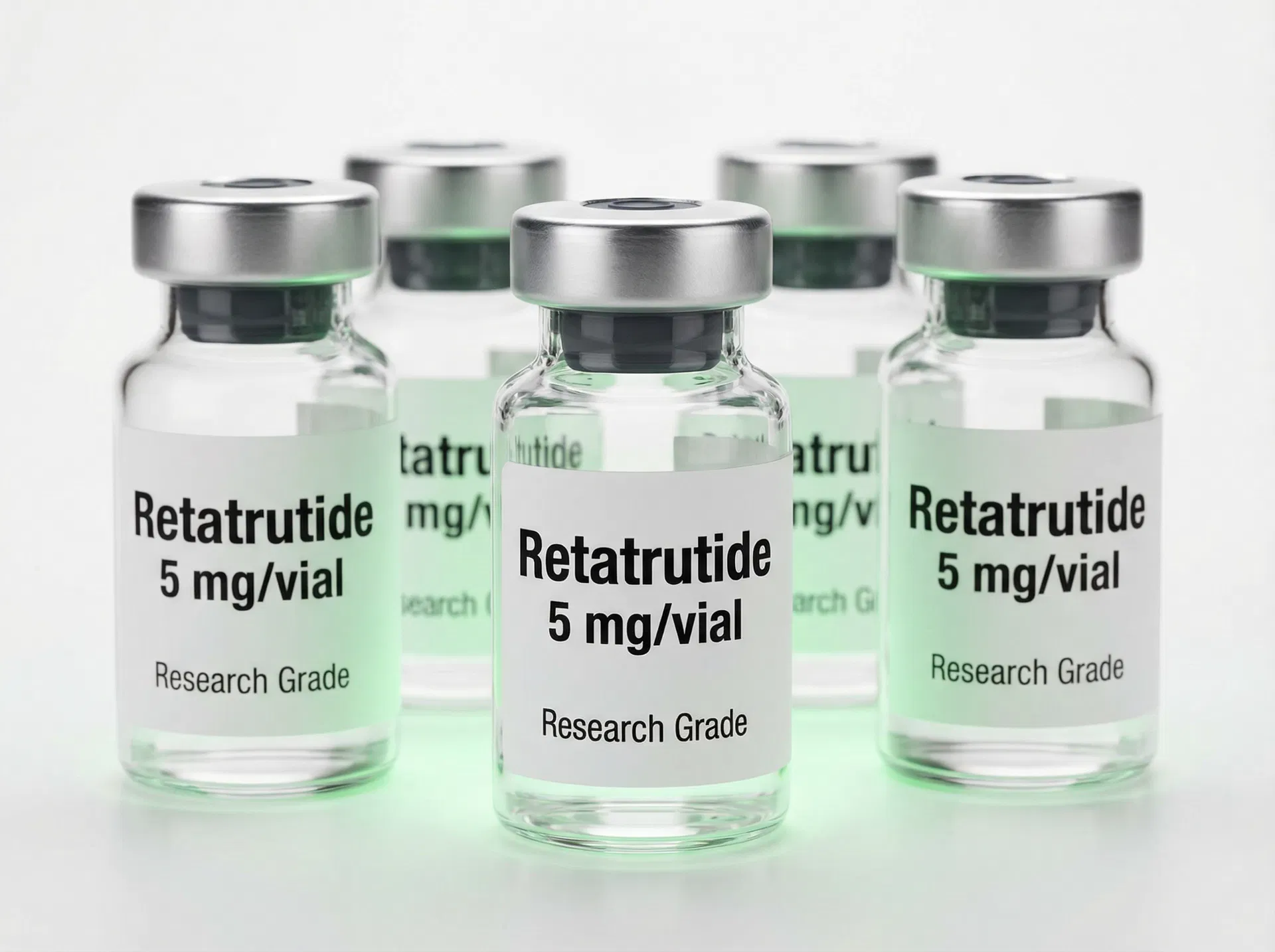
Triple GIP, GLP-1, and glucagon receptor agonist used to study multi-receptor metabolic signaling.
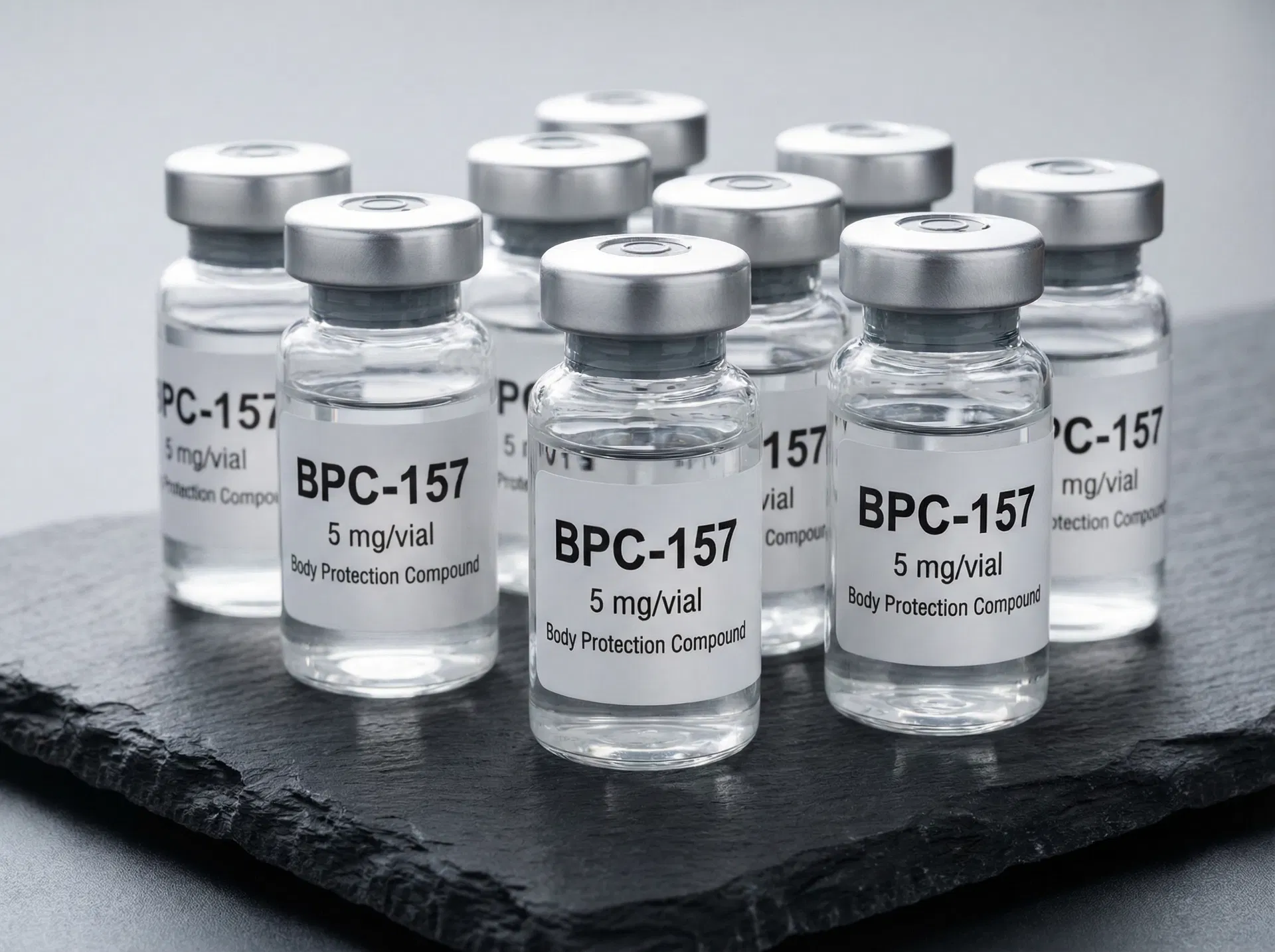
Experimental pentadecapeptide studied mainly in preclinical models of gastrointestinal integrity, angiogenesis, and tissue-repair signaling; human efficacy is not established.
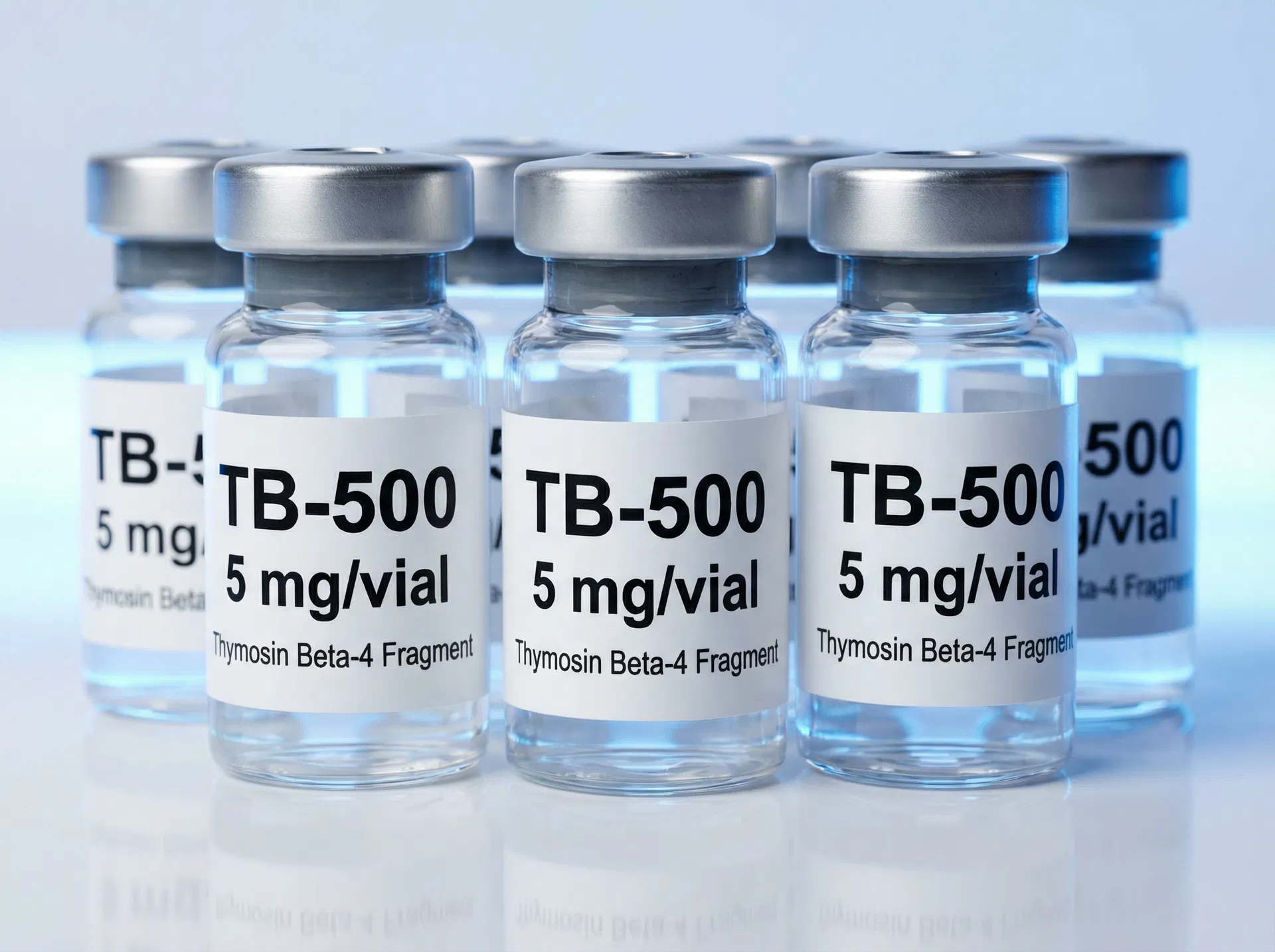
Synthetic thymosin beta-4 fragment studied in actin-associated cell migration, angiogenesis, and tissue-repair models; human efficacy is not established.
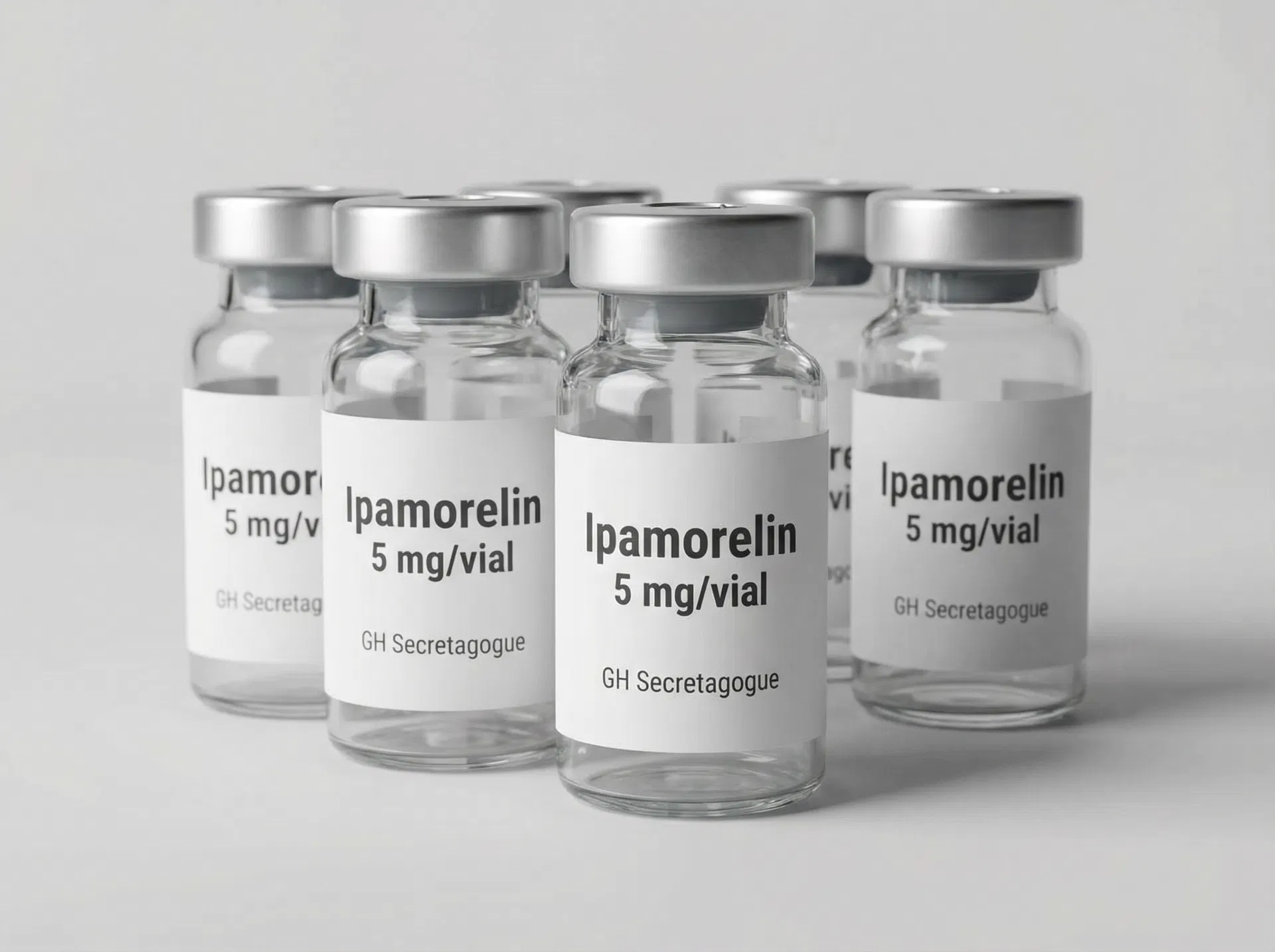
Ghrelin receptor agonist and growth hormone secretagogue used to study pulsatile GH release with relatively selective somatotropic signaling.
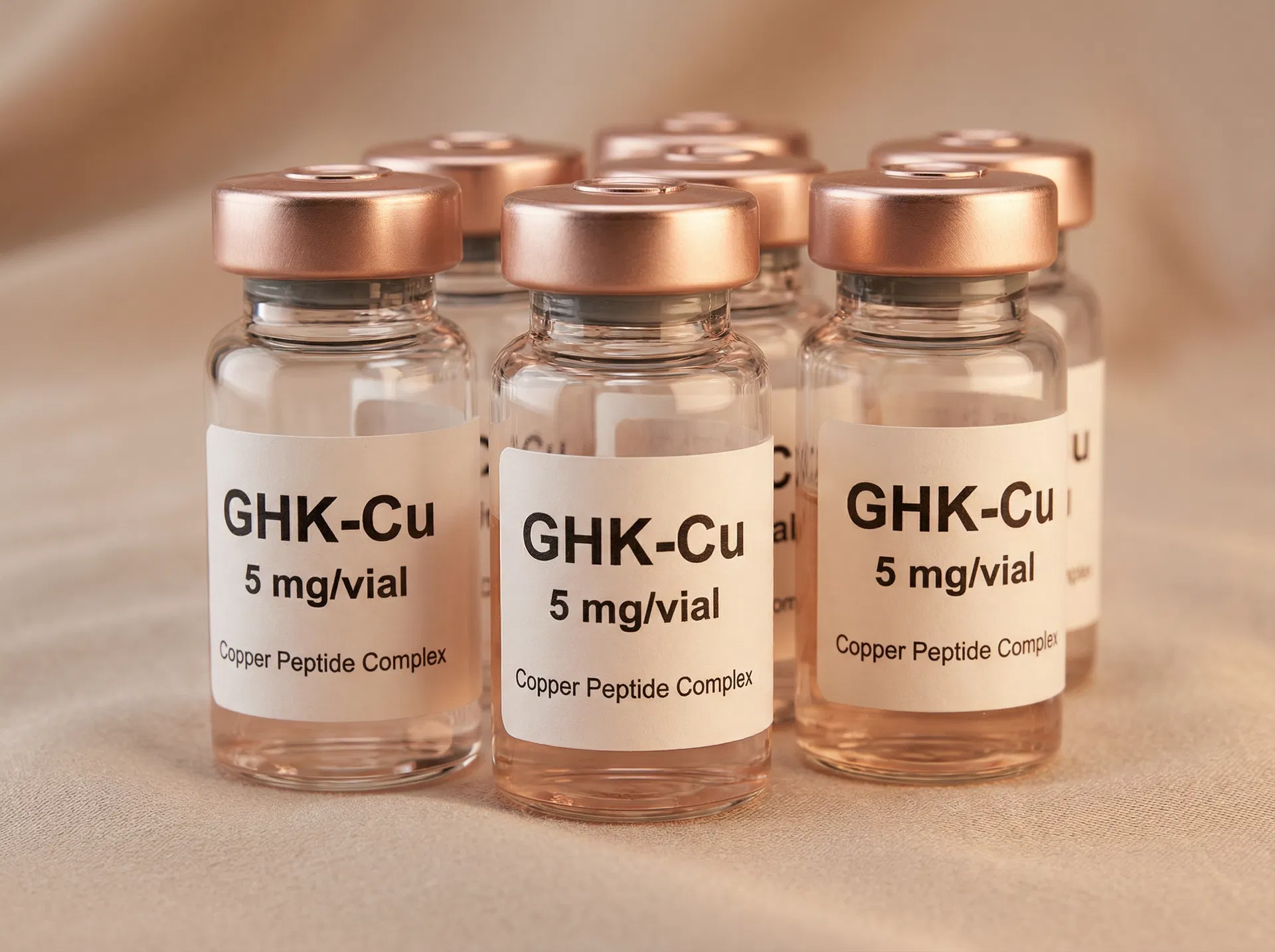
Copper-binding tripeptide used to study extracellular-matrix remodeling, cell migration, wound-response signaling, and skin or hair-follicle biology.
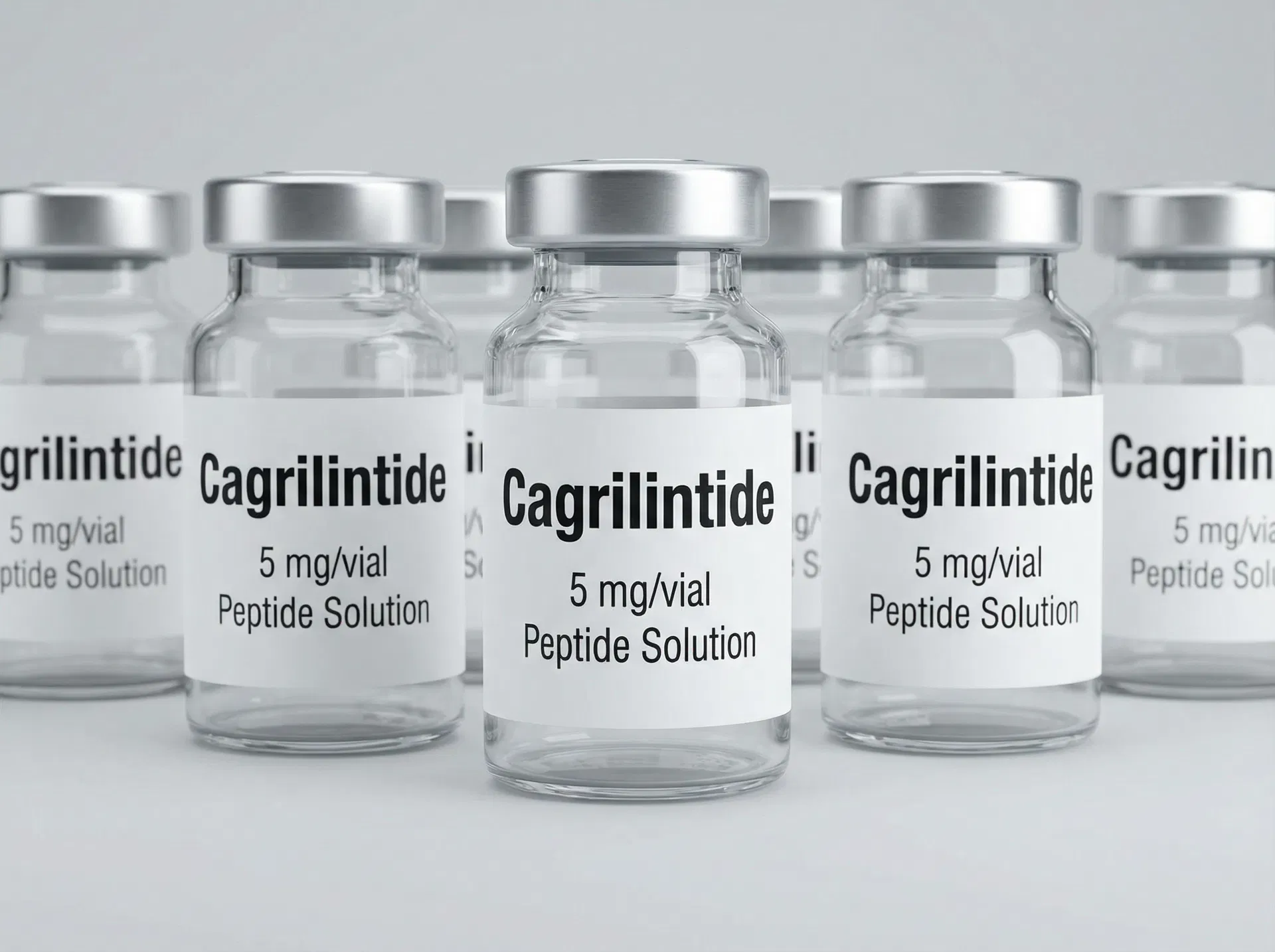
Long-acting amylin analog and amylin/calcitonin receptor agonist used to study satiety and metabolic signaling.
Synthetic pan-estrogen-related-receptor agonist used in preclinical research on mitochondrial respiration, oxidative metabolism, and exercise-response signaling.
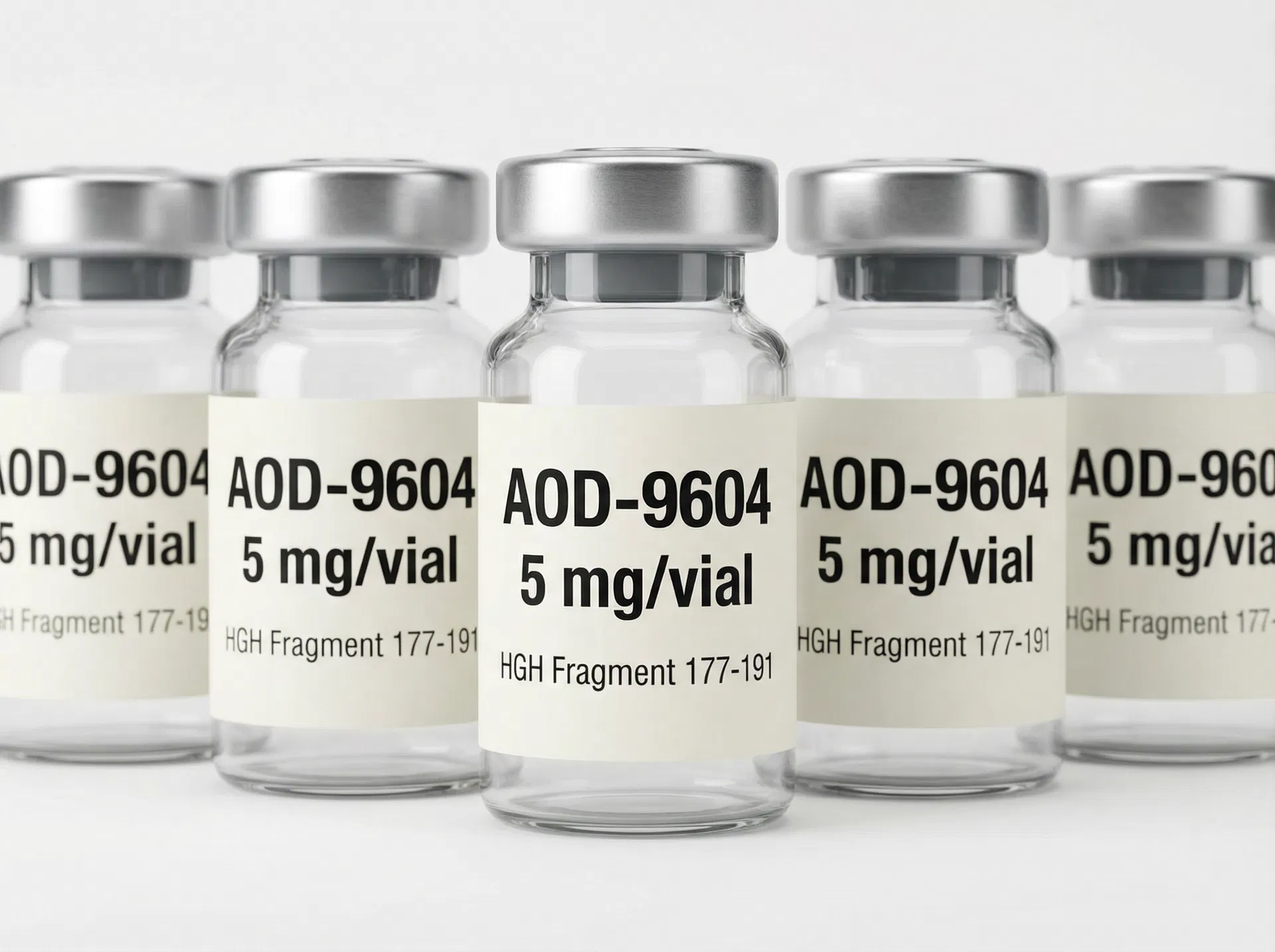
Modified C-terminal human growth hormone fragment derived from residues 176-191 and studied in lipid-metabolism models without full-length GH activity.
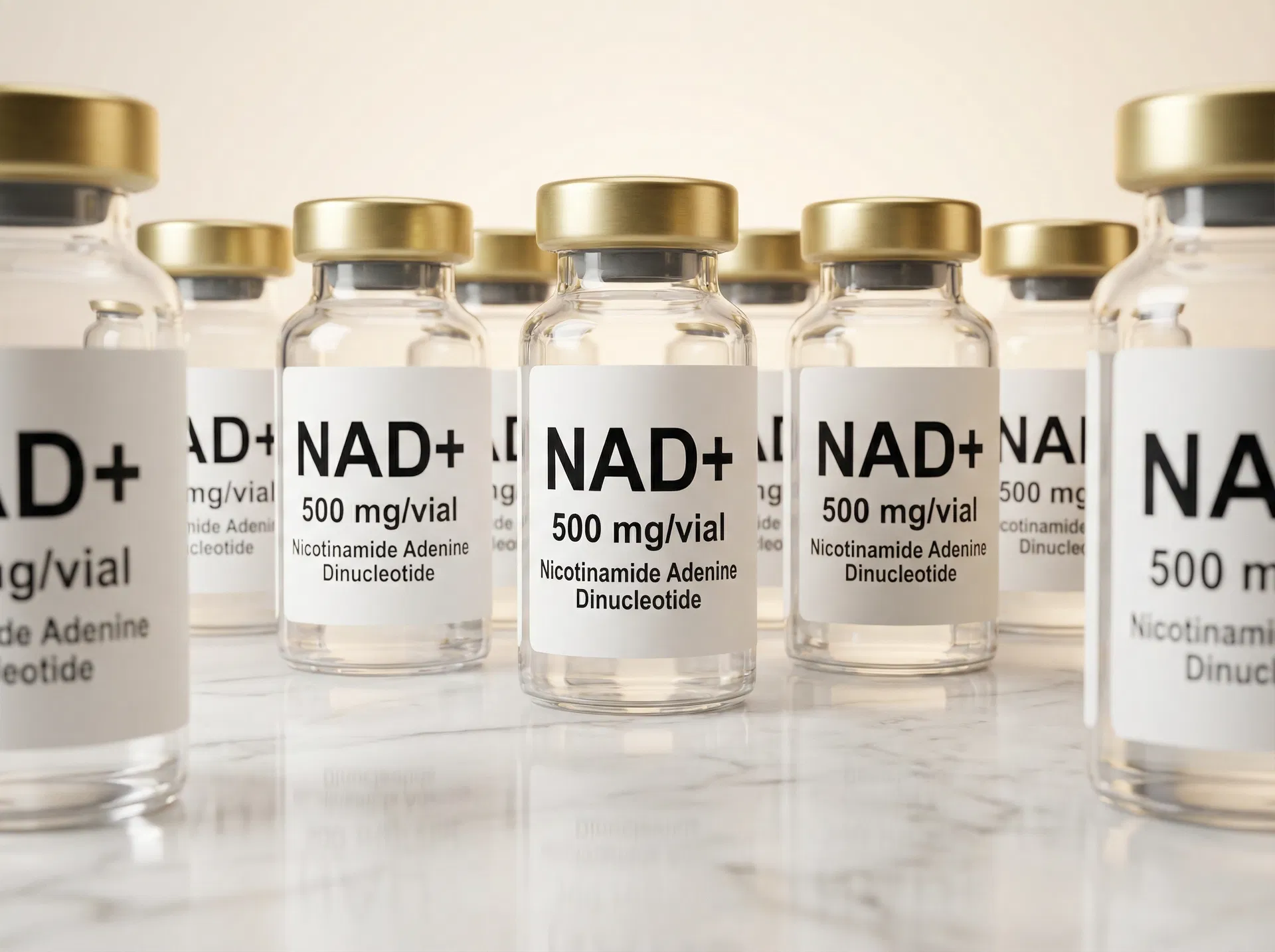
Oxidized nicotinamide adenine dinucleotide, a redox coenzyme and substrate in cellular energy transfer, DNA-repair, and signaling pathways.
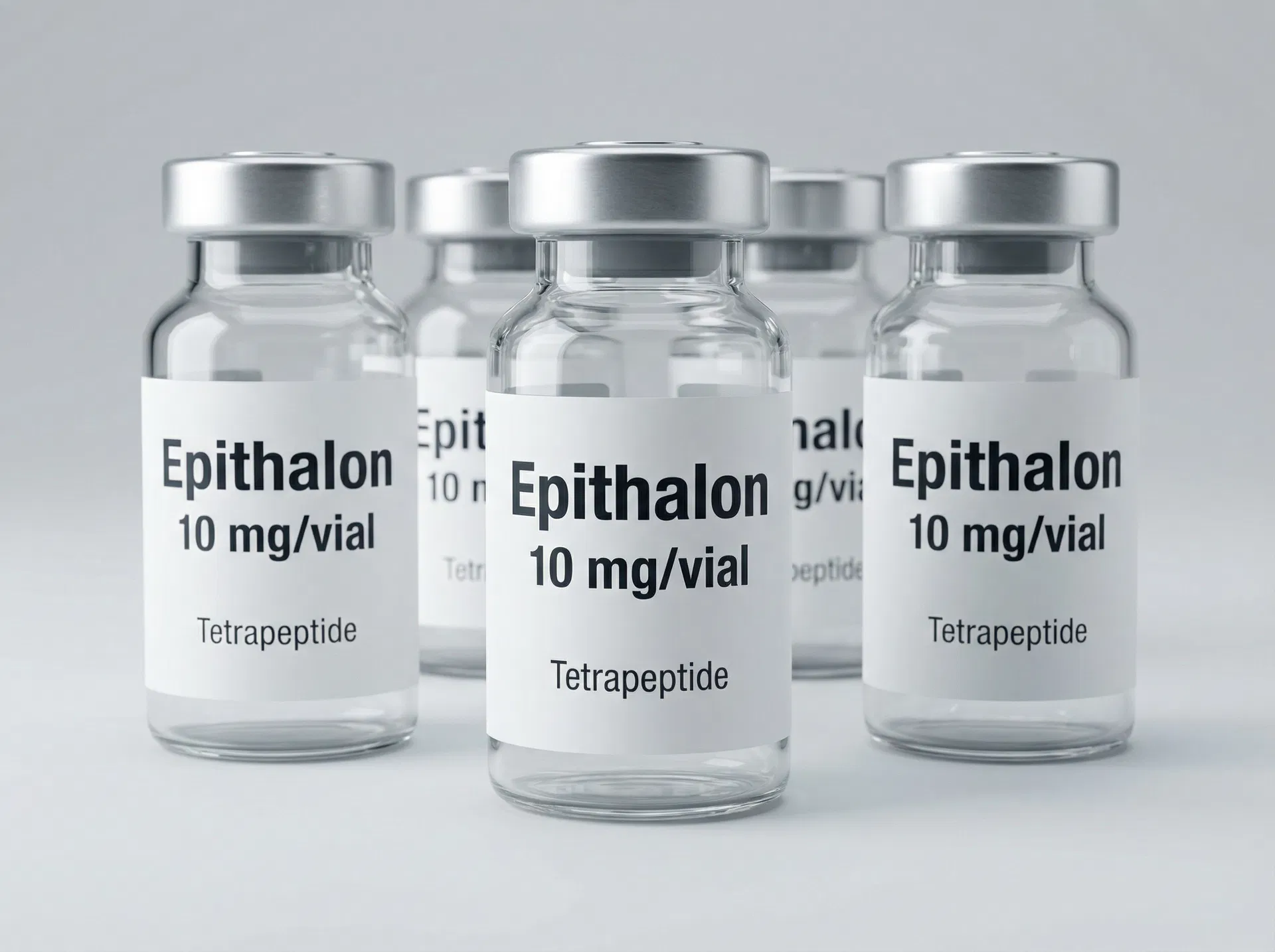
Synthetic tetrapeptide studied in aging biology, circadian regulation, and telomere-related preclinical models; human efficacy is not established.
Small-molecule nicotinamide N-methyltransferase inhibitor used to study NAD metabolism, methyl-donor balance, and adipocyte energy regulation.
GLP-1 receptor agonist used to study incretin signaling, glucose-dependent insulin release, gastric emptying, and appetite-regulation pathways.
Proprietary Semax-derived research peptide with limited independent mechanistic data; identity and sequence should be confirmed against the current COA.
Prohibitin-targeted pro-apoptotic peptidomimetic studied in experimental adipose-vasculature targeting models.
Copper-binding tripeptide used to study extracellular-matrix signaling, fibroblast activity, and hair-follicle biology.
GLP-1 receptor agonist used to study incretin signaling, glucose-dependent insulin release, gastric emptying, and appetite-regulation pathways.
Erythropoietin-derived peptide and selective innate repair receptor agonist used to study tissue-protective and inflammatory signaling.
Porcine-brain-derived mixture of low-molecular-weight peptides and amino acids used in neurotrophic and neuroprotection research.
Shorter-acting GHRH analog, commonly identified as modified GRF(1-29), used to study pulsatile GH release.
Endogenous-like nonapeptide used in exploratory sleep, stress-response, and neuroendocrine research; its mechanism remains incompletely defined.
Triple GIP, GLP-1, and glucagon receptor agonist used to study multi-receptor metabolic signaling.
D-retro-inverso peptide designed to disrupt the FOXO4-p53 interaction in cellular senescence and apoptosis research.
Endogenous gamma-glutamyl-cysteinyl-glycine tripeptide that functions as a major cellular redox buffer and enzyme cofactor.
Ghrelin receptor agonist and growth hormone secretagogue used to study GH release and associated neuroendocrine signaling.
Ghrelin receptor agonist and growth hormone secretagogue used to study GH release, appetite signaling, and neuroendocrine responses.
Triple GIP, GLP-1, and glucagon receptor agonist used to study multi-receptor metabolic signaling.
Glycoprotein hormone and LH/CG receptor agonist used to study gonadal steroidogenesis and reproductive signaling.
Experimental pentadecapeptide studied mainly in preclinical models of gastrointestinal integrity, angiogenesis, and tissue-repair signaling; human efficacy is not established.
Triple GIP, GLP-1, and glucagon receptor agonist used to study multi-receptor metabolic signaling.
Experimental pentadecapeptide studied mainly in preclinical models of gastrointestinal integrity, angiogenesis, and tissue-repair signaling; human efficacy is not established.
Extended insulin-like growth factor-1 analog with reduced binding-protein affinity, used to study sustained IGF-1 receptor signaling.
Kisspeptin receptor agonist used to study hypothalamic GnRH release and reproductive-axis signaling.
Alpha-MSH-derived tripeptide used in epithelial-barrier, antimicrobial, and inflammatory-signaling research.
Human cathelicidin antimicrobial peptide used to study membrane disruption, innate immunity, chemotaxis, and wound-response signaling.
Ghrelin receptor agonist and growth hormone secretagogue used to study pulsatile GH release with relatively selective somatotropic signaling.
Mitochondrial-derived peptide used to study cellular stress adaptation, AMPK-linked metabolism, and mitochondrial signaling.
Copper-binding tripeptide used to study extracellular-matrix remodeling, cell migration, wound-response signaling, and skin or hair-follicle biology.
Nonselective melanocortin receptor agonist used to study pigmentation, energy balance, and central melanocortin signaling.
Peptide hormone and oxytocin receptor agonist used to study smooth-muscle contraction, social-neuroendocrine signaling, and reproductive physiology.
Long-acting amylin analog and amylin/calcitonin receptor agonist used to study satiety and metabolic signaling.
Synthetic tetrapeptide studied in aging biology, circadian regulation, and telomere-related preclinical models; human efficacy is not established.
Melanocortin receptor agonist, with activity mainly at MC4R, used to study central melanocortin and sexual-arousal signaling.
Synthetic tuftsin-derived heptapeptide used in exploratory neuroimmune, anxiety-related, and neurotransmitter-signaling research.
Synthetic ACTH(4-7)-derived heptapeptide used in neurotrophic, neuroprotection, and melanocortin-related signaling research.
GHRH(1-29) analog and GHRH receptor agonist used to study physiological growth hormone release.
Acetyl octapeptide-3 designed to modulate SNARE-complex assembly and neurotransmitter release in cosmetic expression-line research models.
Mitochondria-targeted tetrapeptide that associates with cardiolipin and is used to study electron transport, oxidative stress, and bioenergetics.
Stabilized GHRH analog and GHRH receptor agonist used to study GH and IGF-1 axis signaling.
Mitochondria-targeted tetrapeptide that associates with cardiolipin and is used to study electron transport, oxidative stress, and bioenergetics.
Endogenous 28-amino-acid thymic peptide used to study innate and adaptive immune-cell signaling.
Mitochondria-targeted tetrapeptide that associates with cardiolipin and is used to study electron transport, oxidative stress, and bioenergetics.
Combination of a GHRH analog and a ghrelin receptor agonist used to study complementary control of pulsatile growth hormone release.
Vasoactive intestinal peptide and VPAC receptor agonist used to study vasodilation, smooth-muscle, immune, and neuroendocrine signaling.
Recombinant 191-amino-acid human growth hormone and growth hormone receptor agonist used to study GH and IGF-1 axis signaling.
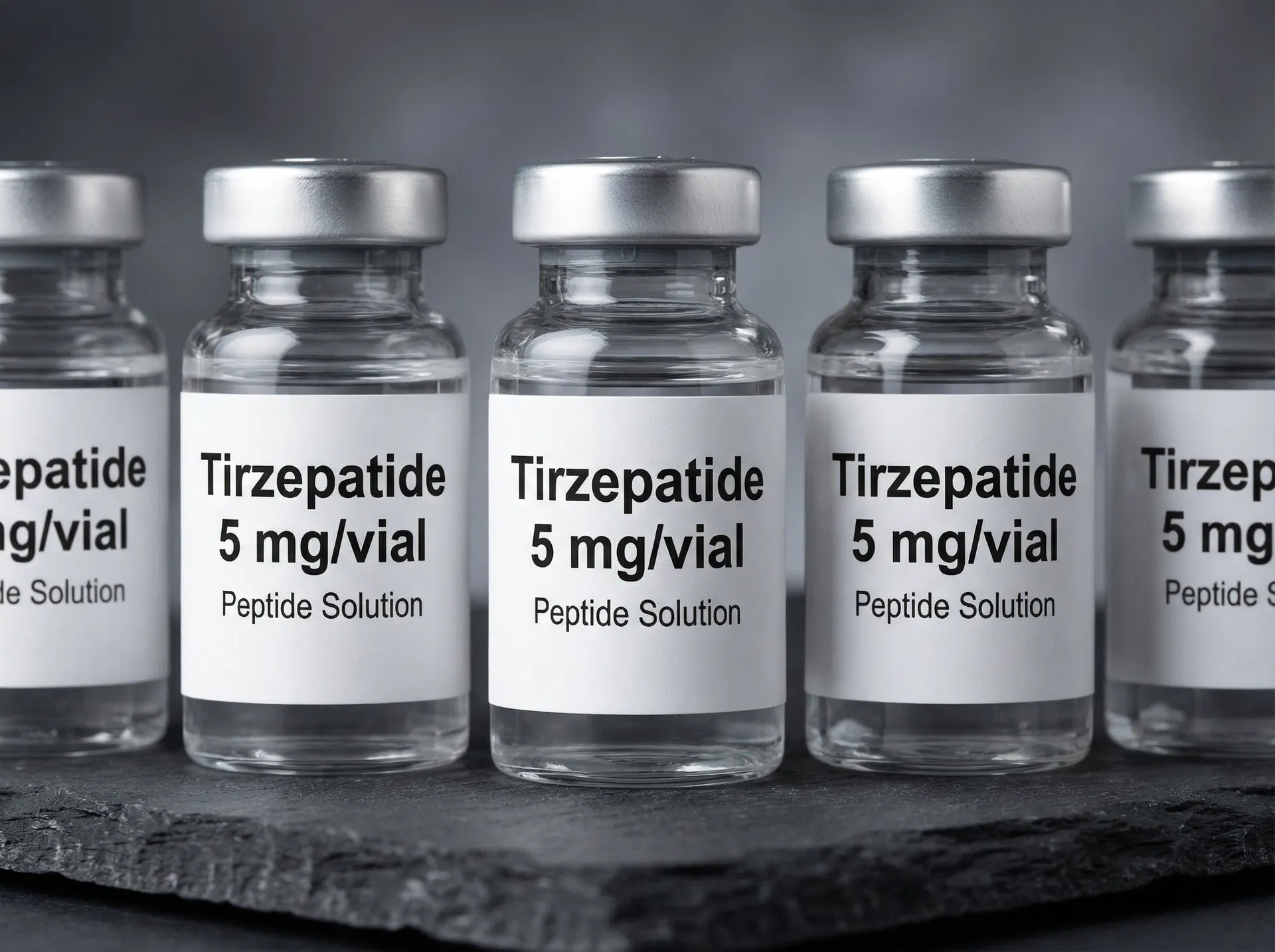
Dual GIP and GLP-1 receptor agonist used to study integrated incretin signaling and metabolic regulation.
Short peptide bioregulator used in cartilage-cell, chondrocyte, and extracellular-matrix research; clinical claims are not established.
Dual GIP and GLP-1 receptor agonist used to study integrated incretin signaling and metabolic regulation.
Long-acting amylin analog and amylin/calcitonin receptor agonist used to study satiety and metabolic signaling.
Mitochondrial-derived peptide used to study cellular stress adaptation, AMPK-linked metabolism, and mitochondrial signaling.
Short peptide bioregulator used in neuronal stress-response, cognition, and aging-related preclinical research; clinical claims are not established.
Short peptide bioregulator used in prostate-cell, tissue-homeostasis, and aging-related preclinical research; clinical claims are not established.
Oxidized nicotinamide adenine dinucleotide, a redox coenzyme and substrate in cellular energy transfer, DNA-repair, and signaling pathways.
Combination of cagrilintide and semaglutide used to study complementary amylin and GLP-1 receptor signaling in metabolic research.
Combination of BPC-157 and TB-500 used to study overlapping cell-migration, angiogenesis, and tissue-repair pathways; synergistic efficacy is not established.
Dual GIP and GLP-1 receptor agonist used to study integrated incretin signaling and metabolic regulation.
Combination of a GHRH analog and a ghrelin receptor agonist used to study complementary control of pulsatile growth hormone release.
Combination of BPC-157, GHK-Cu, and TB-500 used in extracellular-matrix, cell-migration, angiogenesis, and tissue-repair research.
Triple GIP, GLP-1, and glucagon receptor agonist used to study multi-receptor metabolic signaling.
Combination of BPC-157, GHK-Cu, TB-500, and KPV used in tissue-repair, extracellular-matrix, epithelial-barrier, and inflammatory-signaling research.
Ghrelin receptor agonist and growth hormone secretagogue used to study pulsatile GH release with relatively selective somatotropic signaling.
Combination of a GHRH receptor agonist and a ghrelin receptor agonist used to study complementary growth hormone secretagogue pathways.
Dual GIP and GLP-1 receptor agonist used to study integrated incretin signaling and metabolic regulation.
Small-molecule nicotinamide N-methyltransferase inhibitor used to study NAD metabolism, methyl-donor balance, and adipocyte energy regulation.
Experimental pentadecapeptide studied mainly in preclinical models of gastrointestinal integrity, angiogenesis, and tissue-repair signaling; human efficacy is not established.
Angiotensin IV-derived peptidomimetic that potentiates HGF/c-Met signaling and is used in preclinical synaptogenesis and cognition research.
Redox-active phenothiazine dye used to study electron-transfer reactions, mitochondrial bioenergetics, oxidative stress, and analytical staining pathways.
Copper-binding tripeptide used to study extracellular-matrix remodeling, cell migration, wound-response signaling, and skin or hair-follicle biology.
GHRH(1-29) analog and GHRH receptor agonist used to study physiological growth hormone release.
Synthetic pan-estrogen-related-receptor agonist used in preclinical research on mitochondrial respiration, oxidative metabolism, and exercise-response signaling.
Copper-binding tripeptide used to study extracellular-matrix signaling, fibroblast activity, and hair-follicle biology.
GLP-1 receptor agonist used to study incretin signaling, glucose-dependent insulin release, gastric emptying, and appetite-regulation pathways.
Sterile preserved diluent used for laboratory reconstitution; it is not an active research compound.
Synthetic thymosin beta-4 fragment studied in actin-associated cell migration, angiogenesis, and tissue-repair models; human efficacy is not established.
Multi-ingredient lipotropic research solution used to study lipid transport and one-carbon metabolism; function depends on the verified batch composition.
Copper-binding tripeptide used to study extracellular-matrix remodeling, cell migration, wound-response signaling, and skin or hair-follicle biology.
Endogenous 28-amino-acid thymic peptide used to study innate and adaptive immune-cell signaling.
Cobalamin cofactor required for methionine synthase and methylmalonyl-CoA mutase reactions in one-carbon and energy metabolism.
Mitochondrial-derived peptide used to study cellular stress adaptation, AMPK-linked metabolism, and mitochondrial signaling.
Glycoprotein hormone and LH/CG receptor agonist used to study gonadal steroidogenesis and reproductive signaling.
Open the COA library to review attached reference reports or request the current documentation for a specific product.